

Rosacea is far more than just a tendency to blush easily. For the millions of people living with this chronic inflammatory skin condition, it can be a source of physical discomfort and significant emotional distress. Characterized by persistent redness, visible blood vessels, and sometimes acne-like bumps, rosacea is a complex condition that varies greatly from person to person.
While there is currently no permanent cure for rosacea, the good news is that it is highly manageable. By understanding your unique triggers and adopting a specialized skincare and lifestyle regimen, you can significantly reduce the frequency and severity of flare-ups.
In this guide, we will dive deep into the science of rosacea, identify common triggers, and outline professional treatment strategies utilized by experts like Pennsylvania Dermatology Specialists to help patients regain control over their skin.
Understanding the Four Types of Rosacea
To stop a flare-up, you first need to understand what kind of rosacea you are dealing with. Dermatologists generally categorize the condition into four primary subtypes, though many patients experience a crossover of symptoms.
- Erythematotelangiectatic Rosacea: This is characterized by permanent redness (erythema) and a tendency to flush easily. Small, visible blood vessels (telangiectasia) often appear on the cheeks and nose.
- Papulopustular Rosacea: Often mistaken for traditional acne, this subtype involves persistent redness accompanied by red bumps (papules) and pus-filled blemishes (pustules).
- Phymatous Rosacea: This rarer form causes the skin to thicken and develop a bumpy texture, most commonly on the nose (rhinophyma).
- Ocular Rosacea: This affects the eyes, causing them to look watery or bloodshot, accompanied by a gritty sensation, itching, and burning.
Identifying your specific subtype is the first step in a successful plan for rosacea treatment in Bucks County. The team at Pennsylvania Dermatology Specialists excels at diagnosing these nuances to make sure patients aren’t treating acne when they actually have inflammatory rosacea.
Identifying and Tracking Your Triggers
The hallmark of rosacea is “hyper-reactivity.” Your skin’s blood vessels dilate too easily and stay dilated for too long. Stopping a flare-up usually begins with a “detective phase” where you identify what causes your skin to react.
Common Lifestyle Triggers:
- Temperature Extremes: Both intense heat (saunas, hot showers) and biting cold wind can trigger an immediate flush.
- Dietary Choices: Spicy foods, citrus fruits, chocolate, and soy sauce are frequent culprits.
- Beverages: Alcohol (especially red wine) and hot drinks like coffee or tea can cause vasodilation.
- Physical Exertion: While exercise is healthy, heavy cardiovascular workouts can cause overheating and a subsequent flare-up.
The Power of a Trigger Diary
Because triggers are highly individual, experts recommend keeping a diary for two weeks. Note what you ate, the weather, your stress levels, and any skin reactions. This data is invaluable when you sit down for a consultation with a dermatologist, allowing them to customize a prevention plan specifically for you.
The Rosacea-Friendly Skincare Routine
When you have rosacea, your skin barrier is often compromised. This means irritants get in more easily, and moisture escapes faster. To stop flare-ups, you must treat your skin with extreme gentleness.
1. The “Less is More” Cleansing Method
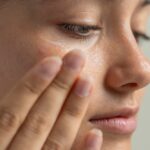
Avoid “scrubbing” your face. Use your fingertips to apply a soap-free, fragrance-free cleanser. Rinse with lukewarm water, never hot or ice-cold, and pat dry with a soft cotton towel.
2. Moisturize to Repair the Barrier
A high-quality moisturizer acts as a shield. Look for ingredients like ceramides, hyaluronic acid, and niacinamide, which help repair the skin barrier and soothe inflammation. Pennsylvania Dermatology Specialists often recommend specific medical-grade moisturizers that are free of common irritants like menthol, camphor, or sodium lauryl sulfate.
3. Sun Protection is Non-Negotiable
UV radiation is the number one trigger for rosacea flare-ups. However, many chemical sunscreens can sting sensitive skin. Opt for a physical (mineral) sunscreen containing zinc oxide or titanium dioxide. These sit on top of the skin and reflect UV rays without causing a thermal reaction in the tissue.
Advanced Medical Treatments
Sometimes, lifestyle changes and over-the-counter products aren’t enough to calm a persistent flare-up. This is where professional medical intervention becomes necessary.
Topical Prescriptions
Modern dermatology has provided us with highly effective topical treatments:
- Azelaic Acid: A naturally occurring acid that reduces redness and bumps by killing bacteria and clearing pores.
- Metronidazole: An antibiotic that helps control the inflammatory components of rosacea.
- Vasoconstrictors: Brimonidine or oxymetazoline gels can temporarily constrict blood vessels to reduce redness for up to 12 hours.
Oral Medications
For more severe cases, especially papulopustular rosacea, a low-dose oral antibiotic (like doxycycline) may be prescribed. At sub-antimicrobial doses, these medications work primarily as anti-inflammatories rather than “germ killers,” making them safer for long-term use.
Laser and Light Therapy
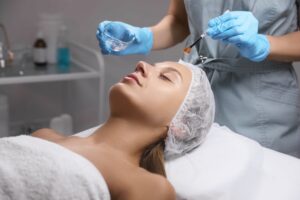
For patients with permanent redness or visible “spider veins,” laser therapy is often the gold standard. Procedures like Intense Pulsed Light (IPL) or Pulsed Dye Laser (PDL) target the hemoglobin in the blood vessels, causing them to collapse and be reabsorbed by the body. Pennsylvania Dermatology Specialists utilizes advanced laser technology to help patients achieve a more even skin tone that topical creams simply cannot reach.
Managing the “Emotional Flush”: Stress and Rosacea
There is a powerful link between the nervous system and the skin. Stress triggers the release of certain chemicals in the body that can lead to inflammation and vasodilation.
To stop stress-related flare-ups:
- Practice Deep Breathing: When you feel a “hot flash” coming on due to embarrassment or stress, cooling your internal temperature through slow, diaphragmatic breathing can help.
- Cooling Techniques: Keep a spray bottle of thermal spring water in the fridge. A quick mist can physically cool the skin and provide immediate sensory relief.
Environmental Adjustments
Your home and office environment play a massive role in skin stability.
- Humidity Control: Use a humidifier in the winter to prevent the dry air from sapping moisture from your skin.
- Airflow: If you are a fan of cooking, make sure your kitchen is well-ventilated to avoid standing in a cloud of steam.
- Laundry Habits: Use fragrance-free detergents and avoid fabric softeners on pillowcases, as these residues can irritate facial skin overnight.
When to See a Specialist
Self-treatment has its limits. If your redness is persistent, if your eyes feel irritated, or if you notice the skin on your nose thickening, it is time to seek professional help. Ignoring rosacea can lead to permanent scarring and worsening of symptoms over time.
The experts at Pennsylvania Dermatology Specialists offer a compassionate and in-depth approach to rosacea care. By combining clinical expertise with the latest in dermatological technology, they help patients move past the “hiding” phase and into a life of confidence.
Conclusion: Consistency is Key
Stopping rosacea flare-ups is not a one-time event; it is a commitment to a lifestyle of skin-consciousness. By identifying your triggers, simplifying your skincare, and utilizing the rosacea treatments in Montgomery County available through professional dermatology, you can keep the flush at bay.
Your skin doesn’t have to define your day. With a proactive plan and the support of specialists who understand the complexities of the skin, clear and calm results are within reach. Contact Pennsylvania Dermatology Specialists today to schedule an appointment and start your skincare journey.


No comment yet, add your voice below!