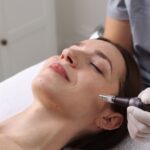
Preparation for Excel V laser therapy starts roughly four weeks before the appointment, not the night before. The laser targets hemoglobin in blood vessels and melanin in pigmented spots, so any extra pigment sitting in the skin from sun exposure, a self-tanner, or an irritated retinoid barrier changes how that energy is absorbed. Patients who follow a structured pre-treatment protocol with a dermatologists tend to see cleaner clearance of vessels and fewer post-treatment surprises.
What the Excel V Laser Is Actually Targeting
The Excel V+ platform delivers two wavelengths, 532 nm and 1064 nm, from a single device. The 532 nm wavelength is absorbed strongly by oxyhemoglobin and melanin, which makes it the workhorse for facial redness, broken capillaries, cherry angiomas, and brown sun spots. The 1064 nm wavelength penetrates deeper and is used for larger leg veins, venous lakes, and deeper vascular malformations.
Because both wavelengths rely on selective photothermolysis, the target chromophore has to be the most absorbent thing in the treatment field. A fresh tan introduces competing melanin throughout the epidermis, which absorbs energy meant for the vessel below and raises the risk of blistering or temporary lightening of the skin. That single fact explains most of the prep rules that follow.
Sun Avoidance: The Four-Week Window
Most laser protocols ask for four weeks of strict sun avoidance on the treatment area before a vascular or pigmentation session. Four weeks allows surface melanin stimulated by UV exposure to settle, and it gives any mild sunburn time to fully resolve. Practically, that means the following:
- No deliberate tanning, including tanning beds, for at least 28 days before and 14 days after treatment.
- Broad-spectrum SPF 30 or higher applied daily to the face, neck, and chest, reapplied every two hours outdoors. The American Academy of Dermatology recommends about one ounce of product to cover exposed skin on the body.
- Discontinue self-tanner and bronzing lotion two weeks out. Dihydroxyacetone stains the stratum corneum and the laser cannot distinguish that pigment from natural melanin.
- Hats and shade for outdoor commitments, which matters for patients treating legs in summer or working outside.
If a vacation or a weekend on the water falls inside that window, moving the appointment is the safer call. Clinicians generally assess the skin in person on treatment day and will postpone if a tan line is visible.
Skincare Ingredients to Pause Before Treatment
Active ingredients thin the stratum corneum and raise baseline inflammation, both of which lower the skin’s tolerance for laser energy. Holds are short, and the products go right back into rotation once healing is complete. A typical schedule looks like this:
- Retinoids (tretinoin, adapalene, tazarotene, retinol): stop 5 to 7 days before. Prescription tretinoin at higher strengths often warrants a full week.
- Alpha and beta hydroxy acids (glycolic, lactic, mandelic, salicylic): stop 3 to 5 days before, including cleansers and toner pads that quietly contain them.
- Benzoyl peroxide and topical antibiotics: pause 3 days before on the treatment area.
- Hydroquinone and other brightening agents: follow your clinician’s direction. Some protocols continue it up to the appointment for melasma-prone skin, while others pause it 48 hours out.
- Chemical peels, dermaplaning, microneedling, and waxing: allow at least 2 weeks of separation on the same area.
- Scrubs, cleansing brushes, and at-home microdermabrasion: stop 1 week before.
In place of actives, keep the routine to a gentle non-foaming cleanser, a bland ceramide moisturizer, and sunscreen. A well-hydrated barrier handles the heat of a pulse better and recovers faster.
Medications and Supplements Worth Flagging
Several common medications increase photosensitivity or bruising, and both affect the session. Bring a current list to the consultation rather than assuming something is irrelevant.
- Photosensitizing antibiotics such as doxycycline and minocycline usually require a hold of 7 to 14 days, coordinated with the prescribing physician.
- Isotretinoin typically requires a 6-month gap after the final dose for most laser procedures, though guidance has softened in recent literature and should be individualized.
- Blood thinners, aspirin, NSAIDs, fish oil, vitamin E, and ginkgo raise the likelihood of purpura. Never stop a prescribed anticoagulant without physician approval; over-the-counter supplements can generally be paused 7 days out.
- St. John’s wort is a frequently missed photosensitizer and is usually stopped 2 weeks before.
- History of cold sores near the treatment area often calls for prophylactic valacyclovir started the day before and continued for several days after.
The Final 48 Hours
Short-term choices matter more than most patients expect. Alcohol the night before dilates vessels and worsens post-treatment redness, so skipping it for 24 hours is reasonable. Caffeine has a milder effect, but some clinicians suggest limiting it on the morning of a facial vascular session.
Shave the treatment area the day before if hair is present on the legs or jawline, since the laser is not aiming at follicles and surface hair absorbs energy unnecessarily. Arrive with completely clean skin: no makeup, sunscreen, moisturizer, serum, or deodorant on the area being treated. Mineral sunscreen in particular leaves a residual film that scatters light.
Hydration helps. Drinking water consistently for several days beforehand supports barrier function, and the FDA guidance on sun protection is a useful reminder that broad-spectrum coverage should continue right up to the morning of treatment, then stop at the door.
When a Session Should Be Rescheduled
Clinicians providing medical dermatology services will postpone treatment under several specific conditions, and that decision protects the result as much as the skin:
- An active sunburn, suntan, or spray tan anywhere in the treatment field
- An active cold sore, impetigo, or any bacterial or fungal infection on the area
- Open acne lesions or an eczema flare in the zone being treated
- Pregnancy or active breastfeeding, where most elective laser treatment is deferred
- Recent filler or neuromodulator injection in the same area within the past 2 weeks
- A new or changing pigmented lesion that has not been evaluated, since laser treatment of an unexamined lesion can obscure a diagnosis
What a Typical Prep Timeline Looks Like
- Four weeks out: begin strict sun avoidance, start daily SPF 30+, schedule the consultation and skin assessment.
- Two weeks out: stop self-tanner, St. John’s wort, and any exfoliating facial treatments. Confirm medication holds.
- One week out: stop retinoids, scrubs, and non-essential blood-thinning supplements. Start antiviral prophylaxis if indicated.
- Three days out: stop acids and benzoyl peroxide. Simplify to cleanser, moisturizer, sunscreen.
- Twenty-four hours out: skip alcohol, shave if needed, confirm transportation and post-care supplies.
- Treatment day: arrive with bare, clean skin and bring a hat or mineral sunscreen for the trip home.
Patients who follow this sequence often need fewer total sessions, which for facial redness commonly runs two to four treatments spaced four to six weeks apart.
Frequently Asked Questions
How Long Before Excel V Should I Stop Using Retinol?
Stop retinol and prescription retinoids 5 to 7 days before an Excel V session. Retinoids accelerate cell turnover and leave the stratum corneum thinner, which increases the chance of prolonged redness or crusting after treatment. They can usually resume 7 to 10 days afterward once peeling and sensitivity have resolved.
Can I Have Excel V Treatment If I Have a Tan?
No, a visible tan on the treatment area means the session should be rescheduled, typically for at least four weeks. Excess epidermal melanin competes for laser energy and raises the risk of blistering, hyperpigmentation, or hypopigmentation. Self-tanner carries the same restriction and must be fully faded first.
Does Excel V Hurt, and Does Prep Change That?
Most patients rate the sensation around 3 to 5 out of 10, often described as a rubber band snap, and the device’s integrated cooling reduces that considerably. Avoiding actives for the week prior lowers baseline skin sensitivity, which makes the pulses more tolerable. Topical numbing cream is available for larger or more sensitive areas.
What Should I Avoid Immediately After the Session?
Skip heat exposure for 48 hours, including hot showers, saunas, and strenuous exercise, and avoid direct sun for two weeks. Redness and mild swelling usually settle within 24 to 48 hours, while treated brown spots darken and flake off over 7 to 14 days. Gentle cleansing, bland moisturizer, and daily SPF are the entire aftercare routine for most patients.
How Many Treatments Will I Need?
Facial redness and rosacea typically take two to four sessions, while isolated brown spots or a single prominent vessel may clear in one to two. Treatments are spaced four to six weeks apart to allow full healing between visits. Maintenance once or twice a year is common for rosacea-related flushing.
Schedule Your Excel V Consultation With Our Team
Pennsylvania Dermatology Specialists evaluates skin type, vessel depth, and medication history before setting a treatment plan, and the team provides full medical dermatology services for patients across Southampton and the surrounding areas. Contact our Southampton office to book a consultation and receive a written pre-treatment schedule for your appointment date.