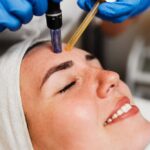
Have you ever stood inches from the mirror, running your fingers over your skin, wondering how to finally smooth out those stubborn fine lines or uneven patches? Maybe you’ve already tried every serum TikTok recommended and still feel like your skin just isn’t bouncing back. If so, you’re not alone. One of the most popular and effective non-surgical solutions for people looking to refresh their skin is the chemical peel.
And while the name might sound a little intense at first, the experience, especially when done under the expert care of a board-certified dermatologist, is more approachable, customizable, and satisfying than you might expect.
If this is your first time considering a peel, you might have a million questions: Will it hurt? Will I have to hide inside for a week? How do I make sure it actually works? This guide is for you. We’re going to break down everything you need to know about your first chemical peel, from what to expect in the treatment room to how to make your results last without needing to go into hibernation.
Why Consider a Chemical Peel in the First Place?
The truth is, our skin puts up with a lot. Sun exposure, environmental toxins, hormonal fluctuations, and aging all leave their marks, sometimes literally. Over time, your once-smooth complexion might take on uneven tones, develop acne scars, or just start looking a little tired.
Chemical peels work by encouraging your skin to shed its dull, outermost layer, revealing newer, healthier cells beneath. Depending on the strength and type of the peel, this can mean a subtle glow or a dramatic reduction in discoloration and fine lines. Many patients turn to chemical peels when they want results that are more noticeable than a facial, but less invasive than a laser treatment or surgical procedure.
What makes chemical peels stand out is their versatility. Whether you’re battling acne, melasma, early signs of aging, or sun damage, there’s likely a peel that can help. And when performed by a skilled dermatologist, the treatment is safe, personalized, and can be surprisingly gentle on your skin.
What Happens During the Treatment?
Walking into the treatment room for your first chemical peel might feel a little intimidating, but once you understand the process, it becomes much easier to relax.
The appointment typically begins with a thorough skin assessment. Your provider will take a look at your skin’s condition, ask about your skincare goals, and determine the best type of peel for your unique needs. There are light, medium, and deep peels, and the one recommended for you will depend on what issues you’re hoping to address.
Next comes the cleansing phase. Your skin will be thoroughly cleaned to remove any dirt, oil, or makeup that could interfere with the peel’s absorption. Then, the chemical solution, usually a type of acid like glycolic, salicylic, or trichloroacetic acid, is applied in layers.
You may feel some tingling or a warm sensation, especially with medium-depth peels, but discomfort is usually minimal and brief. After a set amount of time, the peel is neutralized and removed, and a soothing balm or sunscreen is applied to protect the fresh layer of skin.
The entire process usually takes about 30 to 60 minutes. Most people describe it as slightly tingly, but not painful, and many are surprised at how quick and straightforward it is.
What to Expect Immediately After
Right after the treatment, your skin might feel tight, dry, or slightly flushed, kind of like a mild sunburn. For lighter peels, there’s often no visible peeling at all. You might just notice that your skin feels smoother and looks more radiant within a few days.
For medium-depth peels, you may start to see flaking or peeling by day two or three. This process typically lasts three to five days and should not be confused with major skin shedding or discomfort. Most patients find they can carry on with their normal routines as long as they keep their skin hydrated and protected.
Peeling is a good sign, it means the treatment is working, but resist the urge to pick or exfoliate. This can lead to irritation or even scarring. Let your skin do its thing. Think of it as a controlled reset, like sloughing off a chapter of tired, stressed-out skin to reveal the good stuff underneath.
How to Prep Before Your First Peel
Prepping for a chemical peel is just as important as the treatment itself, especially if you want to minimize downtime and maximize results. Start by booking your peel at least two weeks before any big event. While peels can enhance your glow, the timing needs to be right so you’re not mid-flake on picture day.
About a week before your appointment, pause the use of strong exfoliants like retinol, alpha hydroxy acids, or benzoyl peroxide. These products can increase skin sensitivity, and professionals who offer medical dermatology services in Montgomery County will likely recommend stopping them temporarily. If you’re not sure what to cut out, ask. It’s always better to over-communicate than risk irritation.
It’s also important to avoid direct sun exposure. Think wide-brimmed hats, shade, and SPF 30 or higher every day. Sun damage makes your skin more vulnerable to side effects, and a tan can interfere with the effectiveness of the peel.
Drink plenty of water in the days leading up to your appointment, and make sure your skin is well-moisturized. Well-hydrated skin responds better to peels and recovers faster.
Recovery Without Downtime: Tips for Smooth Sailing
The term “chemical peel” might conjure dramatic images, but most modern peels, especially light to medium ones, are designed with minimal disruption in mind. Here’s how to recover gracefully:
First, keep your skin calm. That means no scrubbing, no exfoliants, and no active serums for at least a few days. Stick to a gentle cleanser, a hydrating moisturizer, and a mineral-based sunscreen.
Second, avoid sweating excessively. While a light walk is fine, steer clear of intense workouts for 48 hours. Sweat can irritate freshly peeled skin and slow the healing process.
Third, don’t underestimate the power of sunscreen. Your new skin is extra vulnerable to UV damage, so daily sun protection is non-negotiable. Even if you’re just sitting near a window, make SPF your best friend.
Lastly, be patient. Your skin may go through a few phases over the first week: tightness, dullness, flaking, and finally…radiance. Let it happen naturally.
Comparing Peel Depths: What Level Is Right for You?
| Peel Type | Depth | Common Uses | Expected Downtime | Results Duration |
| Superficial Peel | Light | Mild acne, dullness, fine lines | None to mild flaking | 1 to 2 months |
| Medium Peel | Moderate | Sun spots, wrinkles, uneven tone | 3 to 5 days of peeling | 2 to 6 months |
| Deep Peel | Intense | Deep wrinkles, scars | 1 to 2 weeks or more | Long-term (up to a year or more) |
Long-Term Benefits You May Not Expect
People often think of chemical peels as a one-and-done treatment, but the truth is, their benefits accumulate. With consistent treatments spaced a few months apart, chemical peels can:
- Boost collagen production for firmer, plumper skin
- Help fade acne scars and sun damage over time
- Minimize the appearance of pores and texture irregularities
- Encourage better product absorption by removing the outer dead skin layer
Many patients find that, over time, their skin not only looks better but responds more predictably to skincare routines. The enhanced turnover rate keeps dullness at bay and allows active ingredients in your serums and moisturizers to do their jobs more effectively.
Customizing Peels for Different Skin Tones
One size doesn’t fit all when it comes to cosmetic dermatology. Skin tone and sensitivity play a major role in how your skin will respond to a peel. For individuals with melanin-rich skin, special care must be taken to avoid complications like post-inflammatory hyperpigmentation.
That’s why choosing an experienced provider who understands how to tailor treatments for different skin types is essential. At Penn Dermatology Specialists, we believe in customizing every peel to your unique skin goals, tone, and lifestyle. Whether you’re managing acne scars or just looking for that extra glow, we can design a plan that minimizes risk and maximizes your results.
When to Consider a Peel Over Other Treatments
There are many skin rejuvenation options out there, from microneedling to laser resurfacing. So why choose a peel?
The answer often comes down to timing, recovery, and simplicity. Chemical peels offer an efficient way to treat multiple concerns at once, including texture, tone, and acne scars in Philadelphia and the surrounding areas. They’re less expensive and less invasive than lasers, with fewer post-treatment restrictions.
If you’re early in your skincare journey and not ready to dive into high-tech options, a peel is an excellent entry point. It provides tangible results without the intimidation factor of surgical or device-based treatments. And because there’s such a range of formulas available, your peel can evolve with your skin as your needs change.
Maintaining Your Glow Between Peels
Once you’ve revealed your freshest skin, it’s natural to want to keep that glow going as long as possible. That means adopting a few healthy habits.
First, hydration is key. Not just from the outside in, but the inside out. Drink plenty of water and use a daily moisturizer that includes ingredients like hyaluronic acid or ceramides to help lock in moisture.
Next, resist the urge to over-exfoliate. While your skin may feel so smooth you’ll want to scrub it to perfection, too much exfoliation can reverse your progress. Stick with a gentle routine and ask your dermatologist when it’s safe to reintroduce actives like retinol or AHAs.
And of course, protect your investment with sunscreen. Daily SPF is the single most powerful thing you can do to prolong the effects of your chemical peel and prevent future damage.
Confidence Is More Than Skin Deep
Your skin is the first thing people see, but more importantly, it’s how you face the world. When your skin feels healthy, radiant, and strong, that confidence radiates far beyond the mirror.
A chemical peel might seem like a small decision, but for many patients, it becomes a turning point, one that signals a commitment to self-care and well-being. Whether you’re hoping to erase years of sun damage or just want to feel good in your own skin again, the journey begins with a single, well-informed step. Get in touch with our professionals today to explore your options.
At Penn Dermatology Specialists, we’re here to guide you through it. Safely. Thoughtfully. Beautifully.